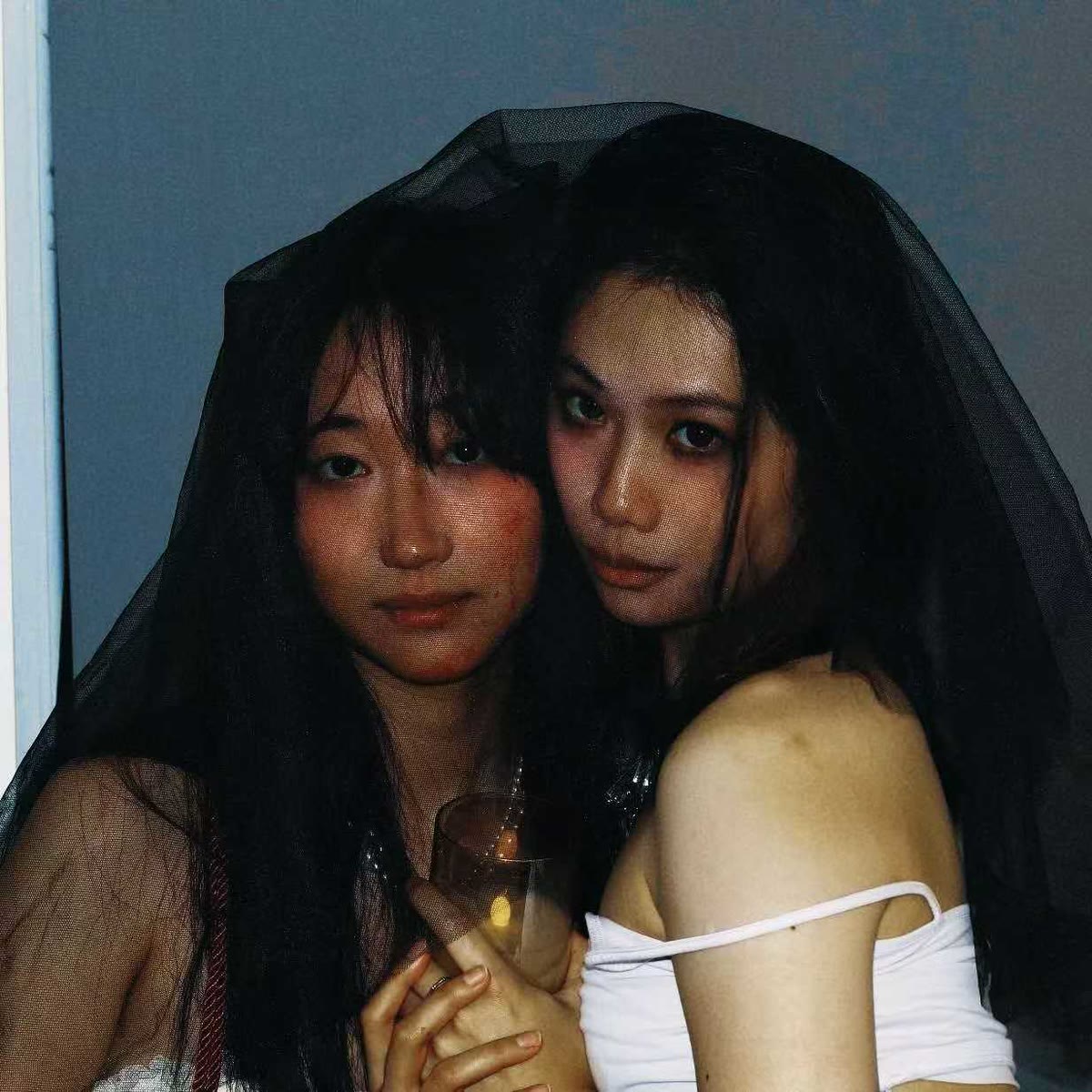
Sapphic couple story / Ottawa interior
Close,
Without a Script.
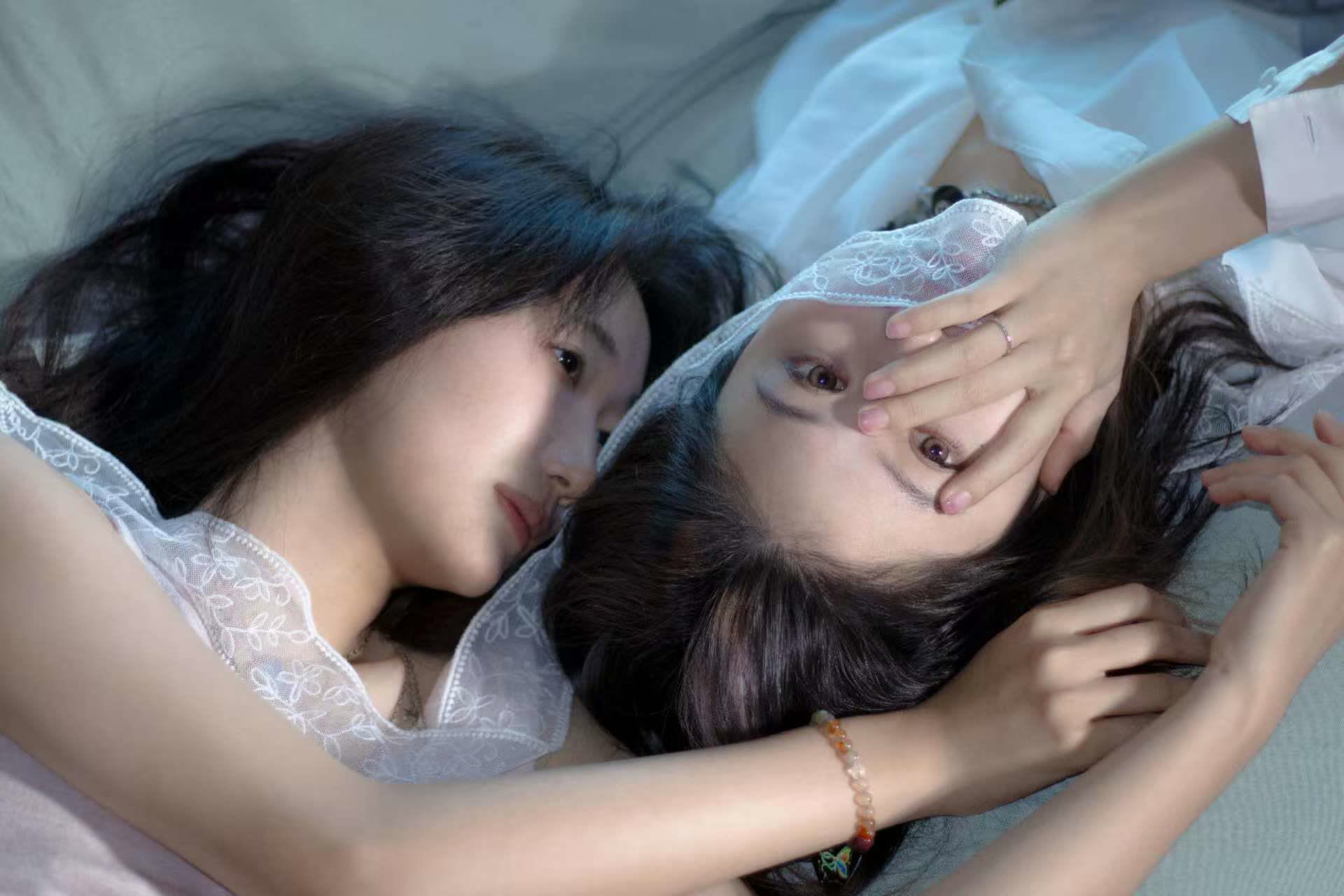
The eyes had to arrive first. A hand, a shoulder or a kiss could follow, but the photograph needed to hold the moment before closeness became obvious.
01 / Intent
A look that keeps travelling.
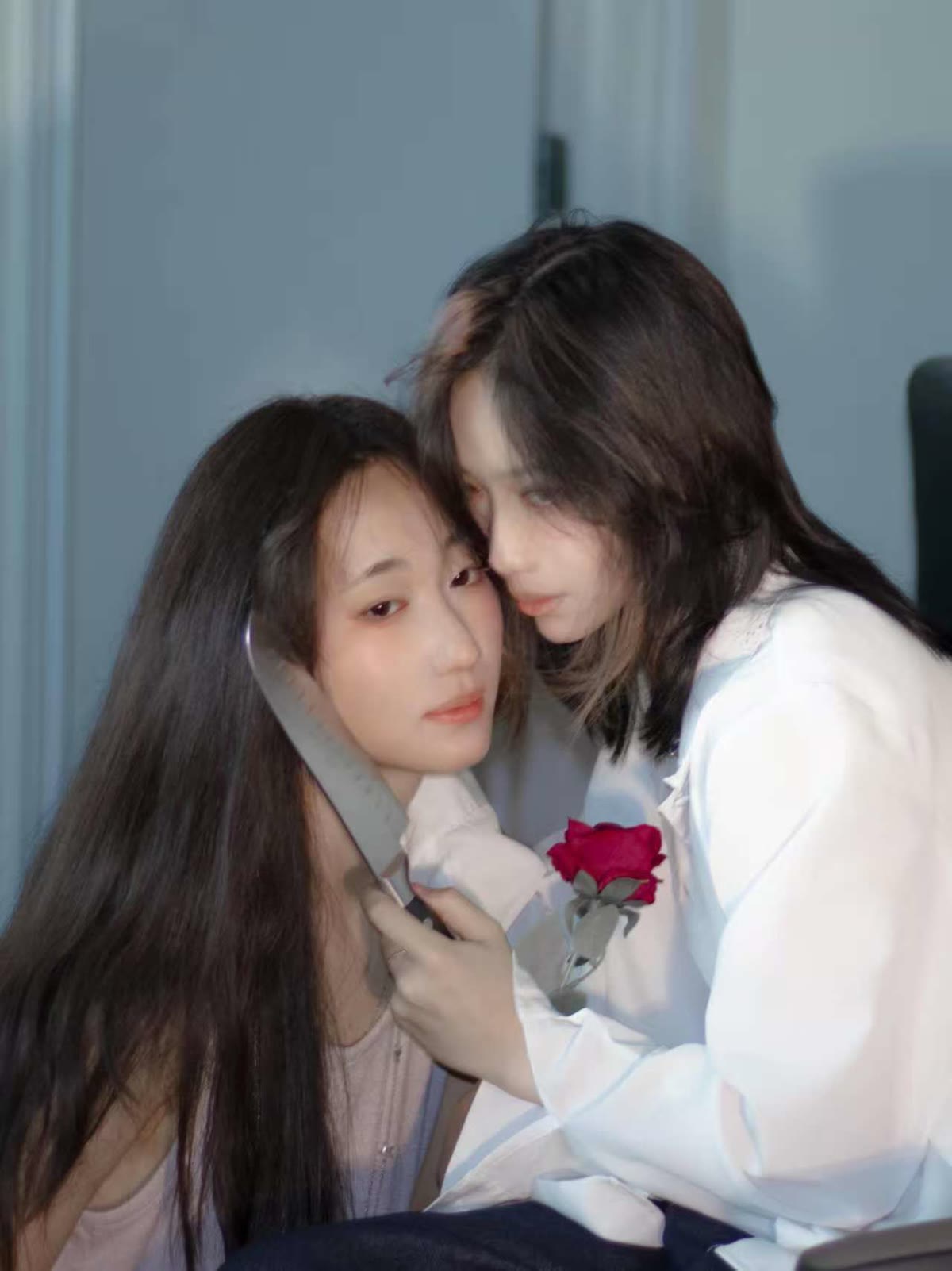
The purpose was not to explain an entire relationship in one frame. It was to photograph the pull between a sapphic couple—the kind of attention that remains visible even after one person looks away.
When both subjects face the camera, the portrait feels direct and deliberate. When one keeps watching the other, the balance changes. One person becomes aware of being seen; the other becomes the reason the viewer cannot leave the frame.
That imbalance mattered.
The photographs did not need constant touching or a sequence of obvious romantic gestures. They needed a gaze that seemed to cross the remaining distance on its own.
The look had to arrive before the touch.
02 / Conditions
Two people, one frame, no symmetry.
Directing two people can easily produce matching poses: two faces at the same angle, two hands placed deliberately, two expressions waiting for the shutter.
That kind of symmetry would have made the closeness feel arranged.
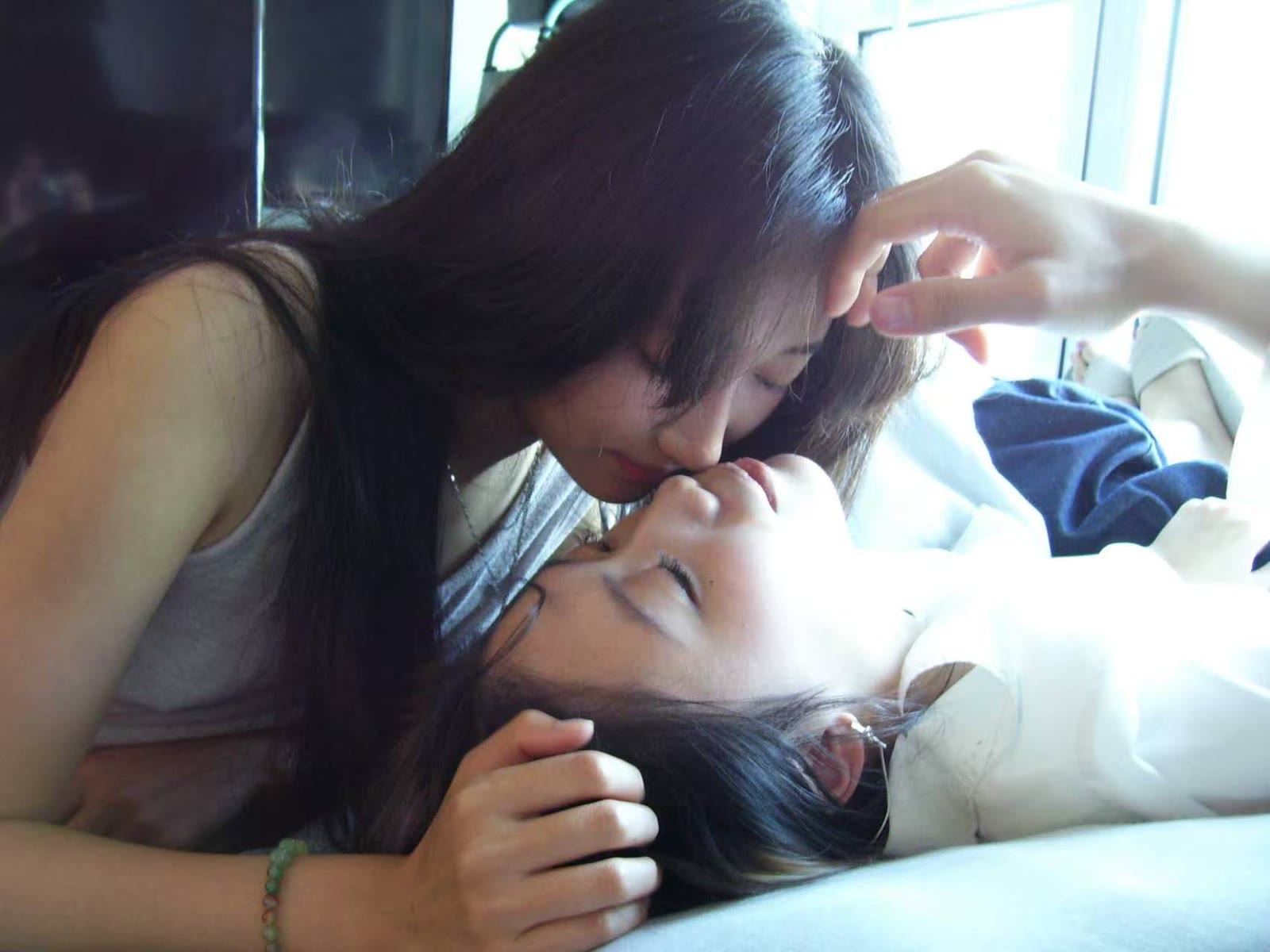
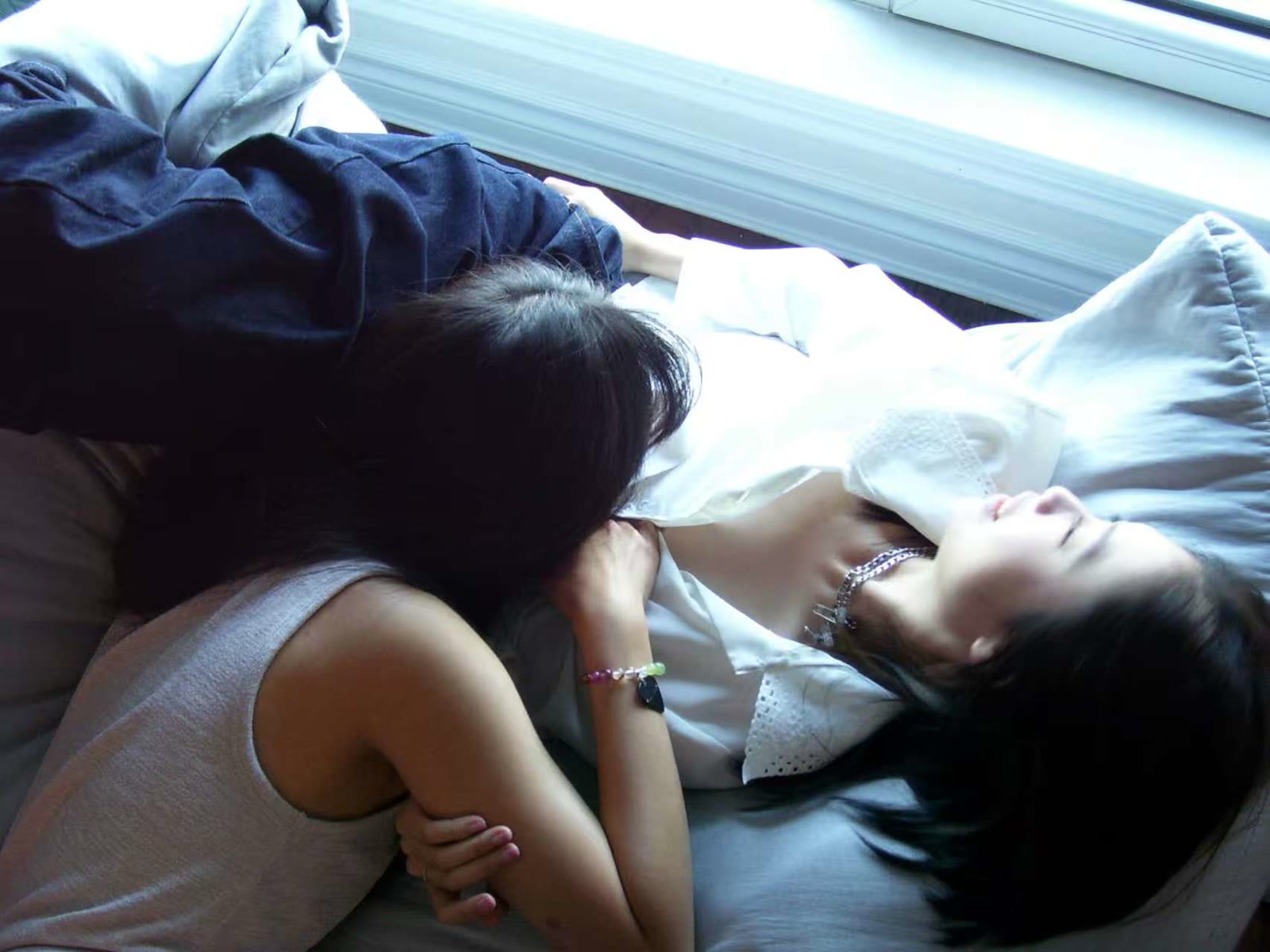
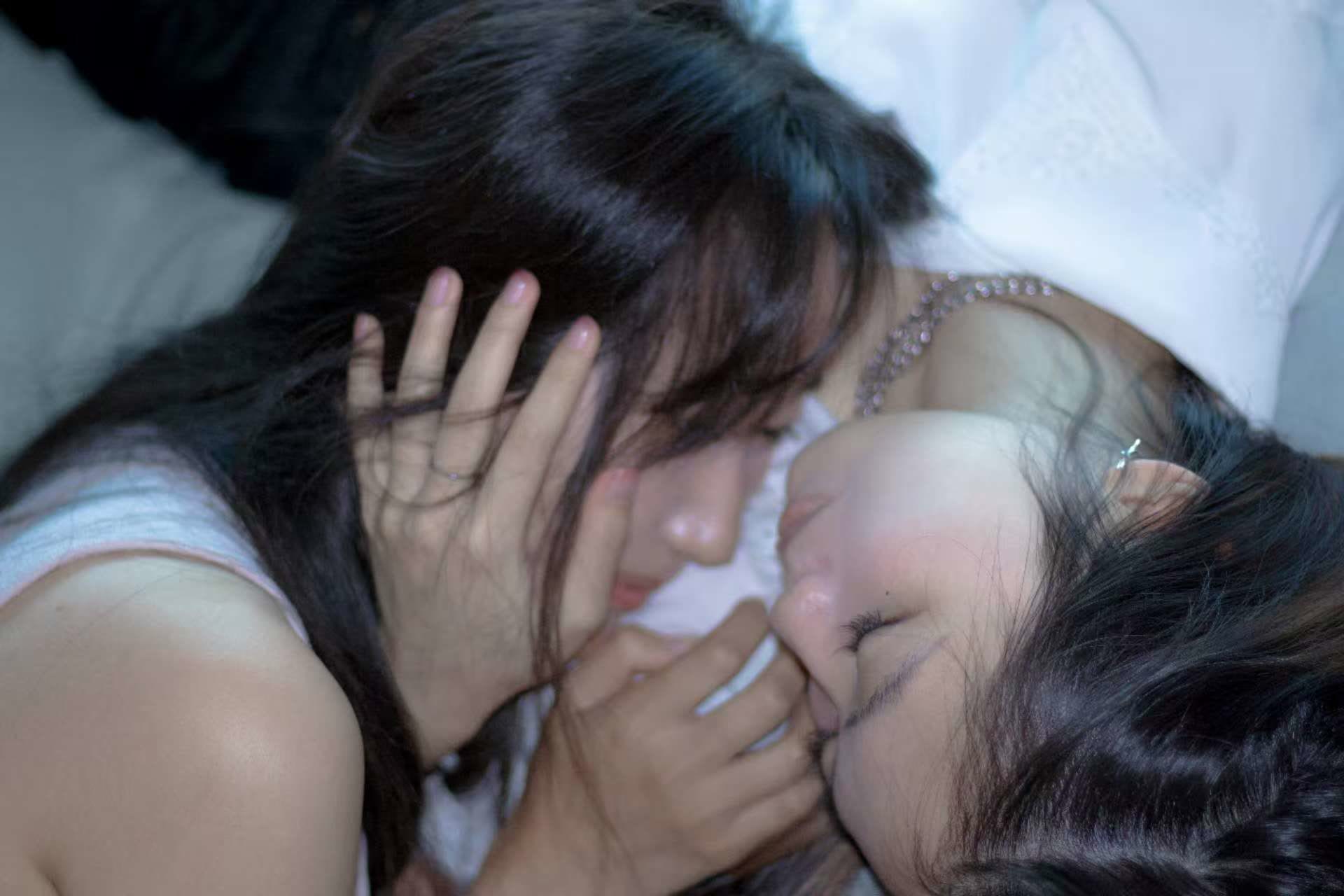
Instead, the compositions were allowed to remain uneven. One person could lie back while the other leaned into the frame. One face could stay open while the other disappeared into hair, shadow or a shoulder. Sometimes only one pair of eyes needed to remain visible.
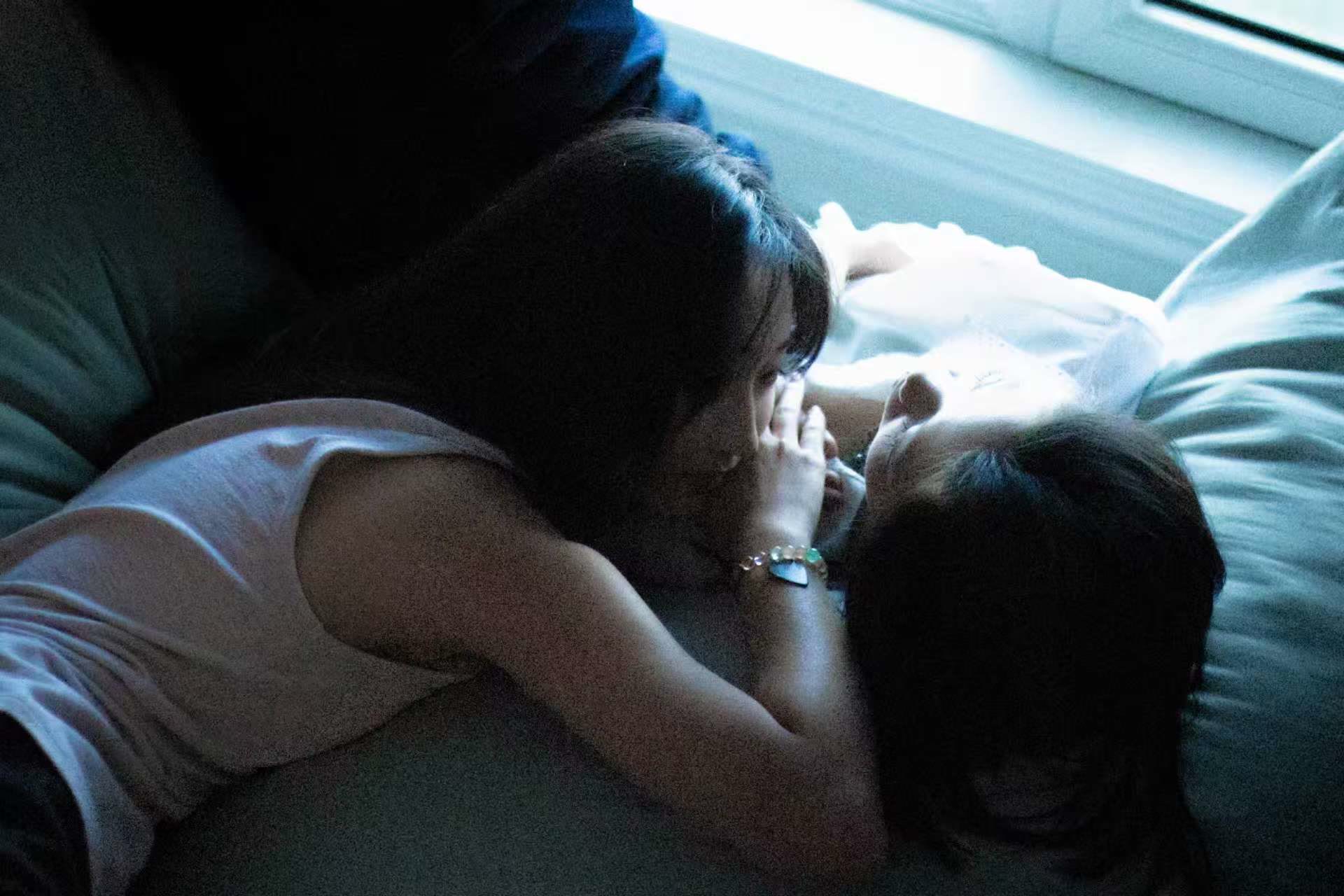
The Ottawa interior also gave us two very different kinds of light. Window light softened the bodies and allowed highlights to spread across white fabric. Direct flash flattened the distance, sharpened the faces and made the more constructed frames feel immediate.
The contrast let the series move between something private and something consciously performed.
03 / Direction
Give one person a cue. Let the other answer.
I did not try to direct both subjects into a finished pose at the same time.
Instead, one person received a small action: find her eyes, move closer, rest a hand against her face, pause before the expected gesture. The other person was given room to react.
That distinction kept the photographs from becoming illustrations of intimacy. The direction created a condition, but the response completed the frame.
A mirror, a red rose and a dark veil gave several photographs a more editorial edge. They were not there to explain the relationship. They interrupted the softness, added ambiguity and changed how directly the subjects could be seen.
Even in the most constructed frame, the eyes remained the point of contact.
04 / Finish
The distance became the subject.
The finished series moves between open eyes and closed ones, window haze and hard flash, visible affection and moments that stop just before it becomes explicit.
Some photographs allow the viewer into the room. Others make the viewer feel like an outsider who has noticed something already in progress.
That tension is what holds the series together.
The strongest frames do not prove closeness by showing the most obvious gesture. They let attention do the work.
Closeness is not measured by how much space disappears. It is measured by what crosses it.
No script could have held that exactly. The photographs only needed to notice when it happened.